The Business Model Dilemma: Giving Everything Away and Still Building a Business
By Martin Asser Hansen ·
If Europa DevOps is going to replace Azure DevOps for European government agencies, public institutions and private enterprises, while also supporting individuals and small teams, it needs a sustainable business model. Designing that model is not trivial: it has to account for customer requirements, hosting options, licensing, support and compliance.
Cloud or on-premises
One of Europa DevOps’ key value propositions is that the platform can run in any cloud or on-premises. This affects the business model in two ways:
- Organizations can deploy and operate their own instance, which is attractive to customers with specific security, compliance or sovereignty requirements.
- At the same time, self-hosting makes it harder to sell the platform purely as a SaaS offering.
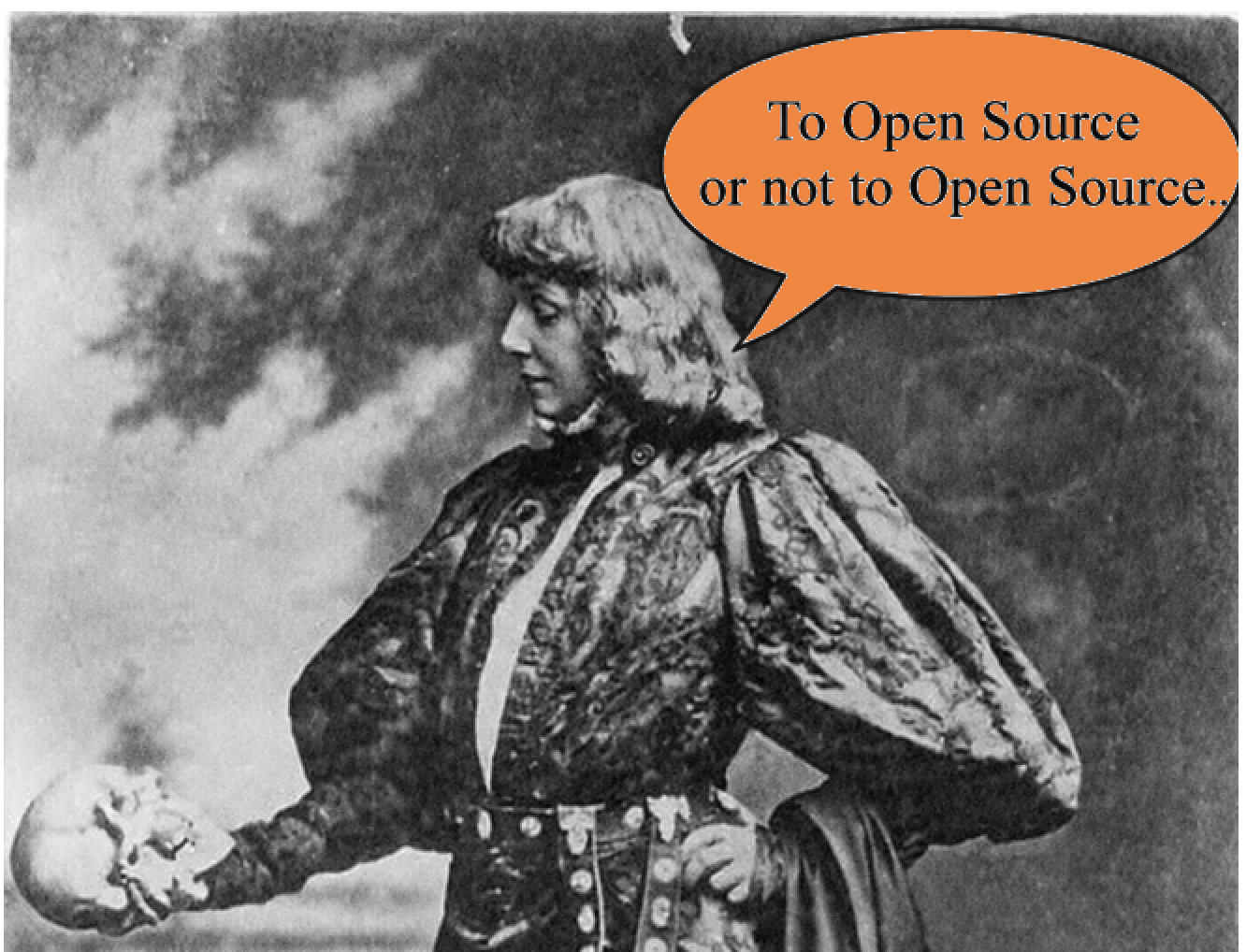
To Open Source or not to Open Source
Open source embraces the development community. For a platform like Europa DevOps, building a community with critical mass is important — not only to shape the platform in the future, but to contribute extensions and improvements today.
The three archetype models.
Model A — Fully open source Both frontend and backend are open source. This works well when the business is built around hosting, but when customers can run the entire platform themselves, it weakens the recurring revenue model. The project risks becoming a consultancy that happens to maintain a repository. Consultancies can be successful, but they do not scale in the same way as a software business.
Model B — Proprietary platform Both frontend and backend are proprietary. This protects intellectual property, but may discourage the open source community from contributing to the platform and building extensions.
Model C — Open-source frontend, proprietary backend The frontend is open for scrutiny and community contributions, while the backend remains proprietary. This allows the community to participate without giving away the entire commercial product.
Audience and Pricing model
| Tier | What it includes | |
|---|---|---|
| Personal | Free EU hosted, limited usage and community support. | |
| Team | Per-user pricing, EU hosting, higher limits and standard support. | |
| Enterprise | Compliance, SLA support and governance. On-premises or dedicated deployments available at a premium. |
The upsell is organic. A solo developer starts on Personal. Her team grows to five, then ten, and moves to Team. As the organization grows and its requirements become more demanding — for example, requiring compliance controls, audit trails or dedicated infrastructure — it moves to Enterprise.
At every step, the model is straightforward: customers pay for what they use, and pay more when their requirements become more demanding.
Students, educators and qualifying open-source projects can be offered free or discounted access.
Summary
- Europa DevOps can be self-hosted in any cloud or on-premises.
- The platform will be provided as Open-source frontend, proprietary backed.
- The pricing model allow organic growth from individuals to teams to enterprises.
- Customers pay for the service and capabilities they need, rather than simply for a software license.